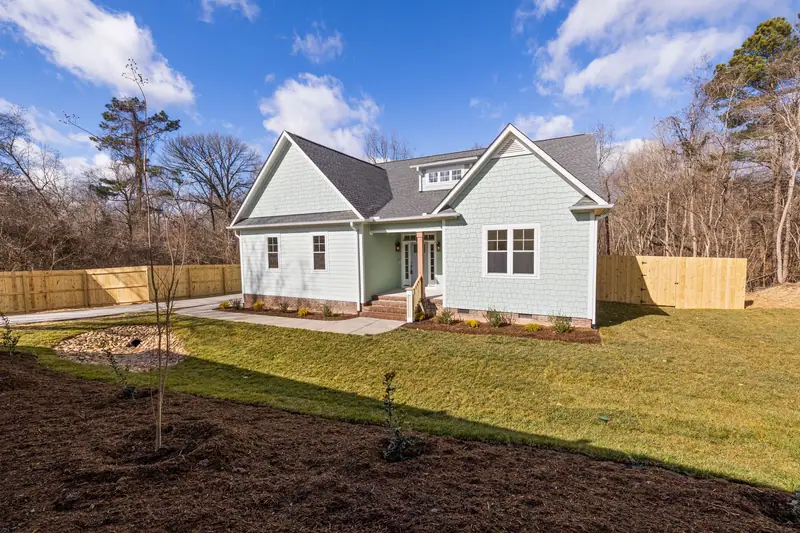
Short runs, original pipe, not much room
Central Gardena is the part of town where the water line is most likely to be the same pipe the house was built with. The runs are short, the setbacks are tight, and the line often passes within arm's reach of a porch, a walkway or a neighbor's fence. When something goes wrong here, the question is rarely "is the line old?" It is "which part of it has given up first?"
If you live in the stretch around Redondo Beach Boulevard and the civic center area, in ZIP 90247, this page is written for homes like yours.
Homes on small lots, built before anyone worried about plastic pipe
Most of the houses here are older single-story homes on compact lots: bungalows, cottages and plain post-war boxes with a front yard, a driveway strip and a small back lot. The water comes in from the street, runs a short distance to the house, and enters near a front corner or under a side wall.
Because the lots are small, that short run does a lot of work. It crosses a planter bed, then a walkway, maybe a driveway apron, all within a few steps. Original lines in homes of this era were commonly galvanized steel or copper, and some very old lines were made of lead. A pro can identify the material at a glance, so you do not need to guess.
Many of these homes have been added onto over time. A converted garage or a back bedroom can mean a second tap-off, extra fittings and a line that no longer follows the neat path the original builder laid.
Where galvanized and copper lines tend to fail
Galvanized pipe rusts from the inside. The bore narrows, pressure drops at the faucets, and the water sometimes comes out tinted when you first open a tap in the morning. Eventually a pinhole or a threaded joint lets go. Copper tends to fail differently: a small pinhole, or a joint that has worked loose as the soil around it shifted.
Here is what homeowners in central Gardena usually notice:
- a strip of lawn or a planter bed that stays wet when nothing is watering it
- a meter dial that moves when every tap is closed
- weaker flow at the showers, mostly at the far end of the house
- a faint sound of running water in the quiet of the night
- soft ground or a dip beside the walkway
Hard water is common across Southern California, and over a long stretch of time it can leave scale inside older metal pipe. Roots from street trees and slow ground movement add stress at the joints. Age, corrosion and soil are what we look at.
If the leak is a single failed spot, a spot repair may do the job. If the pipe is worn along its whole run, the technician will tell you so, and the better route may be a full line. You can read how each works on our pages for repairing a leaking main line and replacing the whole main line.
Who answers for which stretch of pipe
On a typical house lot, the homeowner is usually responsible for the private side of the line, from the meter or property line to the house. The split varies, so check with your water provider before you assume anything.
If your home is in one of the manufactured-home parks in the area, the rule changes. The lines in these parks are usually the park owner's responsibility, so contact the owner or park management first.
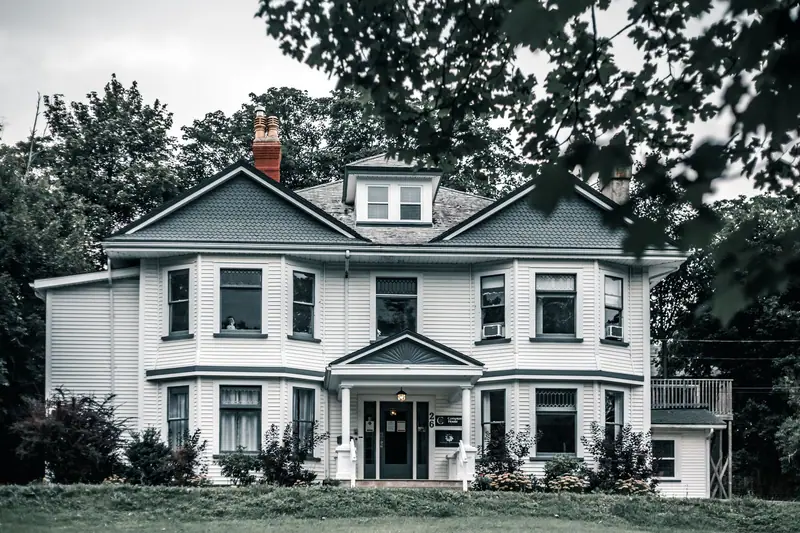
What the technician looks at first on a house like yours
The first stop is the meter and the point where the line enters the house, because on a short run those two spots tell most of the story. The technician checks the pipe material, the condition of visible fittings and whether the shut-off valves turn freely.
Next comes the path in between. They look for damp spots, sunken soil and any place where the line crosses hardscape or passes under an addition. On a tight lot, they also think about access: where a trench could be opened without wrecking the walkway, and what would have to move first.
If you have an older line and you are wondering whether to deal with it before it fails, our page on replacing an old service line goes through the decision step by step.
A call from the first ring to a finished line
- You call. Someone answers around the clock and asks what you are seeing, where the meter is and how old the house is.
- We connect you with an independent pro who works in Gardena, and where it is available we can send them the same day, including in an emergency.
- The technician looks at the line and tells you what they found in plain words.
- Pricing is explained upfront before any work begins, with no hidden fees.
- If you go ahead, the work is done by that independent contractor, and completed work carries a workmanship guarantee.
The technician will also explain whether any paperwork applies to your job. For questions about it, ask your local building department.
Other parts of Gardena we also cover
The older-lot pattern shifts a few blocks away. Homes in South Gardena along the Artesia Boulevard side mix older houses with townhomes, which brings shared-line questions. West-central homes around the Mas Fukai Park area were built later and often have different pipe and different lot shapes.
You can see every neighborhood we serve on the full list of Gardena service areas.