When main water line replacement beats another patch
One leak on an otherwise sound pipe is a repair job. Three leaks in a few seasons is a pipe telling you something. A technician looks at the pattern before anything else: how many failures, how far apart, and what the metal looks like where it was opened up.
Replacement usually comes into the conversation when the pipe is corroded along its length, when the walls are thin enough that a clamp will not hold, or when pressure at the taps has slumped even though the meter is fine. If you only have one confirmed break and the rest of the line looks healthy, our page on repairing a main water line covers that path instead.
The honest answer sometimes lands in between. A short section gets replaced now and the rest is watched. The technician we dispatch will tell you which way the evidence points before any work is priced.
How the new run is laid out across a Gardena lot
On most Gardena lots the pipe leaves the meter box near the street, crosses the front yard, and reaches the house at a hose bib or a wall penetration. Small lots mean the route is short, but it is crowded: a driveway on one side, a neighbor's fence on the other, and often a tree you would rather keep.
Before anyone digs, the technician marks where the current pipe runs and checks for other buried lines nearby. The new pipe can follow the old path or take a cleaner one around obstacles. Taking a different path is common when the old one runs under a slab or a block wall.
Think about the house end as well. The point where the new pipe enters, the shut-off just inside the wall, and any pressure regulator are all worth a look while the line is being swapped, because reaching them later means another visit and another mess.
Who owns which stretch matters here. The private side is usually the homeowner's, but the dividing point differs between providers, so check with your water provider before assuming. In manufactured-home parks the lines are usually the park owner's responsibility, so contact the owner or park management first.
Trench or bore: how the choice gets made
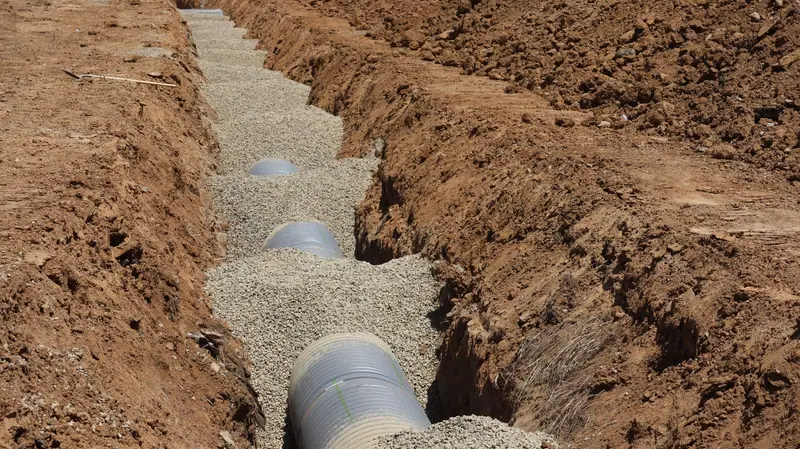
Open trench is the simple method. A channel is cut along the route, the old pipe comes out or is abandoned, and the new one goes in. It works well across open lawn and gives full visual access to every joint.
Trenchless methods open only the two ends and work between them. They tend to suit lots where the route crosses concrete, mature roots or finished landscaping. They are not possible on every lot, and they are not automatically the cheaper option. Soil, pipe layout and access decide it. Our page on trenchless water line replacement goes through those limits in detail.
What the new pipe is made of
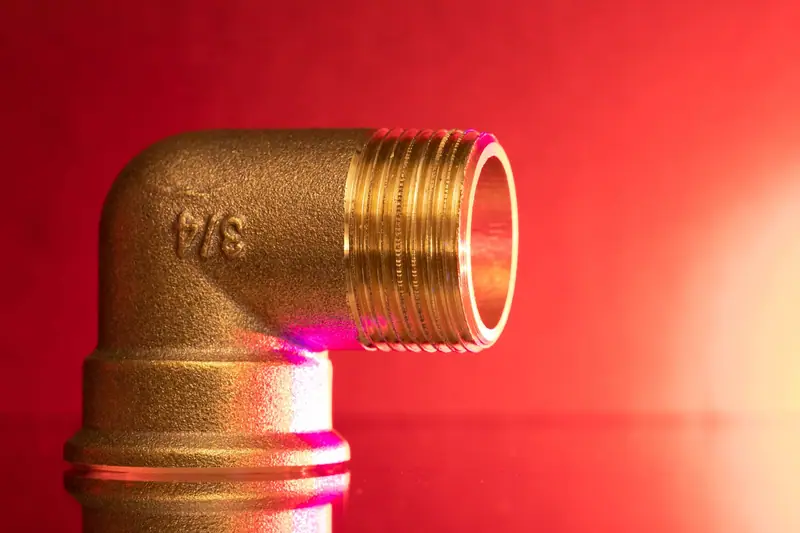
Modern residential service lines are generally copper or one of several plastic pipe types made for pressurized water supply. Each has trade-offs in handling, joints and how it behaves in the ground. The technician will name the material, tell you why it suits your route, and explain how it connects to what is already in the house.
If your current pipe is an older metal type, ask the technician to identify it before it comes out. Some older lines were made of lead, and a pro can tell you what you have. Our page on replacing older service lines goes into that.
A work day, in order
- The technician walks the route with you and confirms the plan.
- Water is shut off at the street-side valve and the house is told it will be dry.
- The ground is opened along the route, or at the two ends for a bore.
- The old pipe is disconnected and the new one is run and joined.
- The line is filled and pressure tested while the joints are still visible.
- Soil goes back in layers and the surface is tidied.
Water usually comes back on once the new line passes its test, though the surface restoration may continue after that. Ask the technician how long your particular job will take, since that depends on the lot.
It helps to clear the path before anyone arrives. Move cars off the driveway, unlock side gates, put pets inside, and make sure the meter box and the shut-off inside the house can be reached. A clear site lets the crew spend the day on the pipe, not on moving your belongings.
What happens to the lawn, driveway and plants
A trench leaves a scar. Sod can be lifted and replaced in sections, shrubs can sometimes be moved and put back, and soil settles over time, so a patch may need topping up. Concrete that has to be cut is a separate conversation about who restores it and how, so raise it before the work begins.
A bore reduces the surface damage but not to zero. An entry pit and an exit pit still get dug. The technician should point out exactly where they will be and what sits there now, so a favorite rose bush does not become a surprise casualty.
Why Gardena houses reach this point
Central Gardena has small-lot homes from the post-war building years, many with their first galvanized or copper service line still in the ground. Corrosion works from the inside out there, and the first sign at the surface is often a pressure complaint rather than a leak. See what we do on central Gardena service line calls.
South Gardena mixes residential streets with industrial edges, and the soil and traffic loading along Artesia Boulevard can be harder on buried pipe. Our south Gardena page describes what technicians commonly find there.
The climate is mild, so freezing is not the culprit here. Age, mineral-heavy water, shifting ground and roots are. Two neighbors with the same floor plan can still have very different pipes underground, which is why the inspection matters more than the year the house was built.