A leak is one problem; reaching it is another
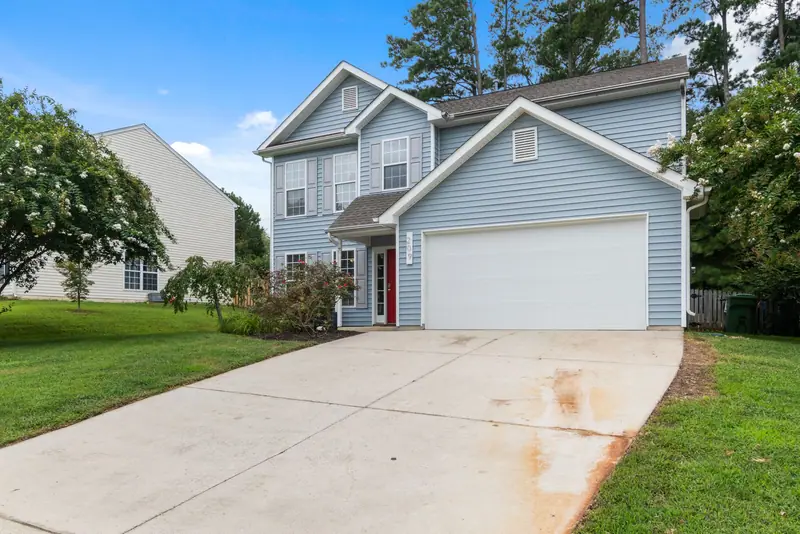
In this part of west-central Gardena, the argument over a failing water line is rarely about whether something is wrong. It is about what stands between the technician and the pipe. A front yard that has been landscaped for decades, a driveway that was poured and widened, a tree that now shades half the house.
So the questions we hear are practical ones. Will they have to cut the concrete? What happens to the shrubs along the walkway? Can the pipe be reached some other way? Those are fair questions, and they deserve an honest answer based on your actual lot.
Streets of settled, post-war houses
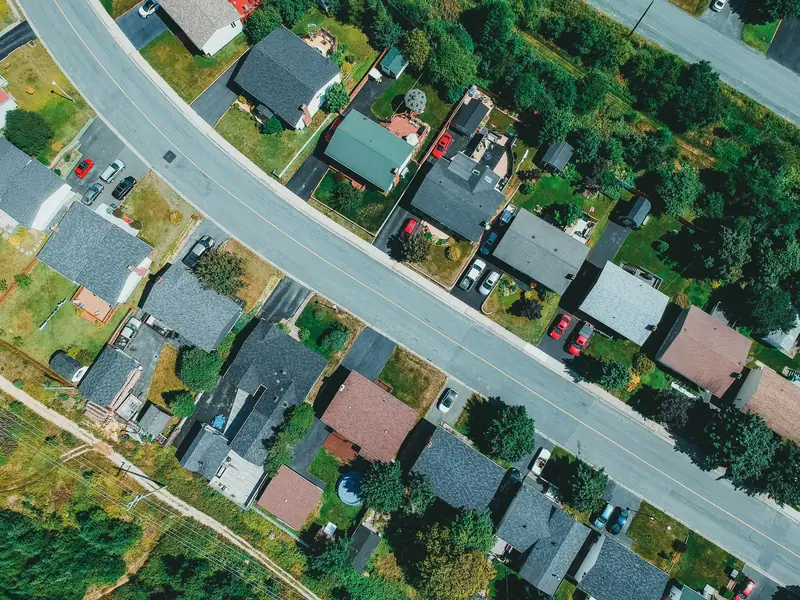
Homes around Mas Fukai Park and Brighton Avenue are mostly post-war houses that have been lived in, added to and re-landscaped over many years. This part of Gardena sits in ZIP 90247, and the lots here feel settled in a way newer subdivisions do not. Front yards have grown into themselves.
That maturity is the main thing a technician notices. Roots from street trees and backyard favorites have had a long time to spread. Driveways have been replaced or extended. Block walls, patio slabs, planters and low retaining edges now sit where there was once open lawn. The pipe that feeds the house was laid before nearly all of it.
The line itself usually runs from the meter near the front edge of the lot toward the house, but the exact route is often a surprise. Additions and remodels can shift where the line enters the building, and the original path may have bent around work done long ago.
Roots, concrete and older pipe, working against each other
Several things tend to combine on these lots.
- Roots seeking water. A weeping joint draws roots, and roots push on that same joint. The leak and the trees feed each other.
- Weight above the pipe. A line under a driveway carries the load of every car that parks on it. A tired pipe flexes, and a joint can open.
- Quiet ground movement. Soil swells and settles with the seasons in this part of Southern California. Over many years that tugs on rigid pipe and the fittings holding it together.
- Plain age. Older galvanized or copper lines corrode from the inside and the outside alike.
Finding the leak before anything gets opened up
With so much sitting on top of the line, guessing where to dig is costly in every sense. A technician will often try to pin down the spot first, using listening equipment and pressure checks. Our page on locating a hidden line leak explains what that process involves and where its limits are.
The shut-off hardware matters too. If the curb stop or the valve inside the house is stuck, corroded or buried, even a small leak becomes a bigger job. The page on curb stops and shut-off valves covers why those fittings fail and what replacing one looks like.
Dig or no dig: how the choice gets made
Traditional replacement opens a trench along the whole path of the line. Trenchless methods work through a few small access holes instead. On a lot full of established plantings and paving, the second option sounds like an easy answer. Sometimes it fits. Sometimes it does not.
What decides it is on-site detail. The technician looks at the straightness of the run, the condition of the existing pipe, where the entry and exit points could go, and what else is underground. Depth, soil and the route under the driveway all play a part. Neither method is automatically simpler or less costly, and no one should promise that before seeing the lot.
If you would like the full picture, our page on trenchless water line replacement describes how the process works and when a conventional trench is still the practical call.
What the technician looks at on a lot like yours
Expect a walk around the property before any tool comes out. Typical stops include:
- The meter box and the nearest shut-off, to check for movement and whether the valve actually turns.
- The base of any large tree near the front, where roots may be crowding the line.
- The edge of the driveway and walkway, where damp soil or lifted concrete can hint at a leak underneath.
- The wall where the line enters the house, including any addition that may have changed its path.
Then comes a straight conversation about options. You hear what was found, what the choices are and what each one disturbs in your yard.
A call, from your phone to a plan
You call, and someone answers, since calls are picked up around the clock. We ask what you have noticed, how old the house is, where the meter sits and whether water is escaping right now. Mention the tree and the driveway, because they shape the whole job.
We then connect you with an experienced local pro who knows Gardena homes. Where same-day or emergency dispatch is available, we use it for urgent cases. The technician we dispatch is an independent contractor and does the inspection and the work.
Before work begins, pricing is explained upfront with no hidden fees, and completed work carries a workmanship guarantee. If paperwork may be involved, the technician will point you to your local building department.
Other parts of Gardena we cover
If your street is closer to the older, smaller lots of Central Gardena, the conversation turns to the age of the pipe. Near Rowley Park, homeowners more often ask about faded pressure.