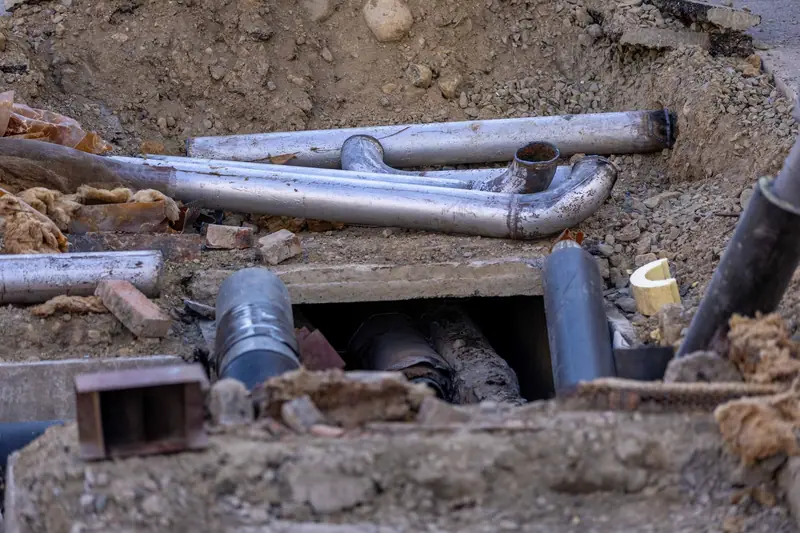
When a spot repair is the right main water line repair
A repair makes sense when the damage is local and the pipe around it is still in decent shape. A joint that let go, a clean crack from a shifted fitting, a pinhole at one corroded spot, or a section nicked by a shovel or a root: these are all jobs for cutting out a short piece and joining in new pipe.
It stops making sense when you are patching the same line for the second or third time. The technician decides on site, after seeing the pipe itself, and will say plainly if what they find argues for something bigger.
Signs that point to a break on this pipe tend to cluster. You may see a lawn strip that stays green or boggy when the rest of the yard is dry, a meter that moves with everything off, a hiss near the meter box, or a drop in pressure that appeared suddenly. Any one of those is enough reason to call; two or three together make it close to certain that something between the meter and the house has let go.
Pinpointing where the water is escaping
Wet ground tells you the water surfaced, not where it started. Underground water follows the easiest path, so the soggy spot can sit well away from the break. Digging where it looks wettest is how a yard ends up with three holes and still no answer.
Instead, the technician narrows the search with the meter, listening gear and sometimes a pressure check along the run. Our page on finding underground leaks explains those tools. Once the likely spot is marked, a single small excavation usually confirms it.
It also helps to tell the dispatcher what you noticed and when. A timeline such as the day the lawn went soft, or when the pressure changed, saves the technician from retracing steps you already took.
What actually breaks a line in this part of California
Gardena winters rarely get cold enough to burst anything, so the usual suspects are different from the ones in cold-climate repair guides.
- Age and corrosion. Galvanized and older copper pipe thin out from the inside, and the weak point eventually opens.
- Ground movement. Soil swells and shrinks with wet and dry seasons, and the pipe gets pulled at its joints and fittings.
- Roots. Roots go looking for moisture, press on the pipe and can work a loose joint apart.
- Pressure swings. Spikes from the supply side or from a faulty regulator stress weak spots.
- Nearby work. A fence post, irrigation trench or earlier plumbing job can leave a nick that only fails later.
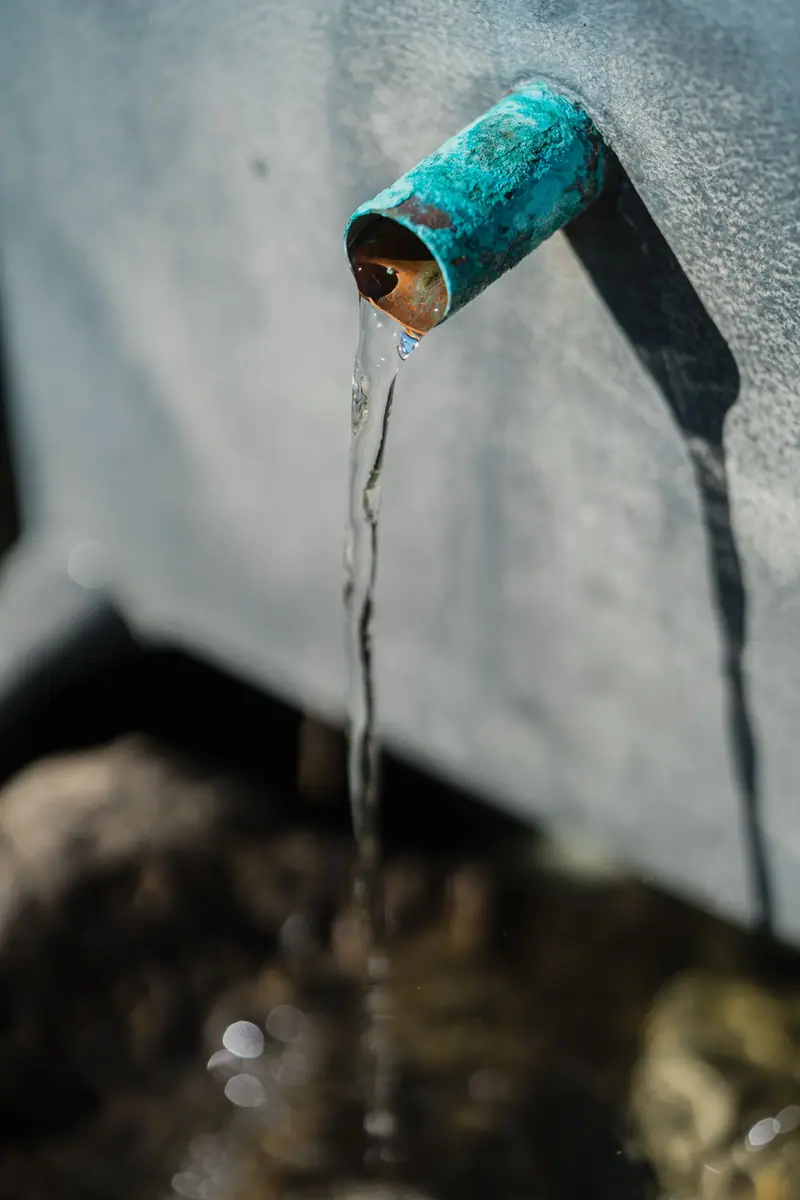
How a repair unfolds on site
Shutting down and exposing
The technician closes the supply, opens the ground over the marked spot and clears soil around the pipe by hand where other utilities may be near. The goal is to see enough sound pipe on both sides of the damage.
Cutting and joining
The damaged piece comes out and a new section is fitted with couplings suited to the pipe type. If the old pipe is brittle at the cut, the technician will keep going until reaching metal or plastic that holds, which can make the opening longer than you expected.
Testing and closing up
Before backfill, the line is brought back up to pressure and the new joints are watched for weeping. Then soil goes back in layers, and the surface is left tidy. Ask what the technician plans to leave for you to finish, such as reseeding.
A repair visit is usually shorter than a replacement, but it still needs the ground open and water off, so plan for a stretch without taps. If the failure is near the meter or the street-side shut-off, the technician may need access that only your water provider can give, which is another reason to check with them early.
When one repair is really a warning
If the pipe wall crumbles where it is cut, if a second weak spot shows up a short distance from the first, or if the metal is flaking inside, the line is likely failing along its length. Fixing one point then moves the stress to the next weakest one.
That is the moment to compare a further repair with full main line replacement, and to ask whether trenchless replacement might suit the lot. The comparison belongs to you; the technician supplies the facts. A good technician will also tell you plainly when a repair is the sensible choice and replacing everything would be more than the pipe needs.
What repair calls look like on Gardena streets
Around Rowley Park, many post-war houses were built in the same era, so a leak on one street often matches the age pattern on the next. Lines there tend to fail at fittings and old galvanized runs. Our Rowley Park area page explains the usual findings.
In Central Gardena the lots are small, so the pipe often runs close to a driveway, a wall or a neighbor's boundary. That affects where the opening can go. See central Gardena service line work for more on how that plays out.
Wherever you are, the first step is the same: a quick call, a plain description of what you see, and a technician dispatched who knows the local homes.