When the leak is not clearly yours
South Gardena has a problem the quieter parts of town mostly do not: the same street can hold an older house on its own lot and, a few doors down, a row of townhomes sharing a single supply. A wet patch in a common area, or a bill that climbs for no clear reason, raises two questions at once. Where is the water going, and who is responsible for the pipe?
This page covers the Artesia Boulevard side of Gardena, which sits in ZIP 90247 and reaches toward 90248. We handle the first question by finding the leak. The second one we help you point in the right direction.
Two kinds of property on one side of town
Close to Artesia Boulevard you will find older single-family houses, many with modest yards and a driveway running down one side. Their water line usually runs straight from the street to a front corner of the house, much like the older homes across central Gardena.
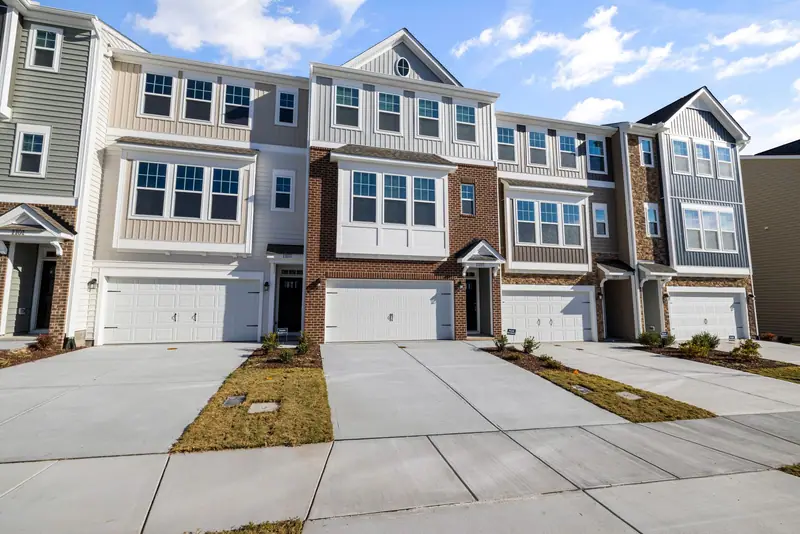
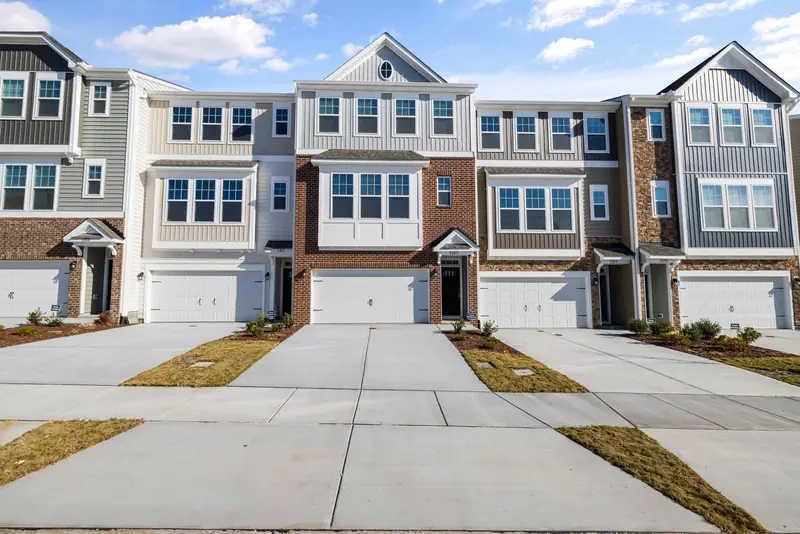
Then there are the townhomes and small attached communities built in more recent decades. These tend to have one supply entering the property, with branch lines running underneath shared walkways, parking courts and landscaped strips to individual units. Meters may be grouped, and a single shut-off may control more than one home.
That layout changes everything about how a repair is planned. A pipe in a landscape strip behind a unit may feed that unit only, or the whole row.
Who owns which section: the usual answer and the real answer
With a standalone house, the homeowner is usually responsible for the private side of the line, from the meter or property line to the house. With a townhome, ownership is usually split differently: the homeowners' association or property manager often handles the lines serving more than one unit, while the part serving only your unit may be yours.
That is a pattern, not a rule. Check with your water provider about where the public side ends, and check with your association or management company about what falls to them. Your governing documents are the place to look, and the technician can help you work out which section you are standing over.
If you are an owner in a townhome complex, tell your management before you book anything. A line that serves several units is rarely something one owner can have dug up alone.
How leaks show up here
In older houses, the signs are familiar: a damp strip along the driveway, a meter that keeps moving, pressure that is not what it was. In attached communities, the clues often come from the property rather than a single unit:
- a bill that rises when nobody has changed habits
- a landscape strip or parking court that stays wet or sinks in one spot
- several neighbors reporting weak flow at the same time
- hissing near a shared meter box
- cracking or lifting in paving over a line
Hidden leaks are the usual trouble. When the pipe runs under a driveway, a patio or a parking court, nothing may appear on the surface for a long time. That is where leak detection for hidden water lines earns its place, because it finds the failing spot before anyone opens up the ground.
What the technician checks first
With a townhome, the technician starts by learning what the line serves. Which meter, which shut-off, which units downstream. Only then do they listen for the leak and test sections of the line, so that a repair does not leave a neighbor without water by surprise.
With an older house, they begin at the meter, confirm the pipe material and follow the run toward the house. Original galvanized and copper lines are common on the older lots here. If the pipe is worn throughout, the conversation moves toward replacing the old service line, and in cases where the whole supply line is failing, toward main water line replacement.
Either way, you hear what they found before any decision is made.
Townhome work also takes a bit of coordination that a standalone house does not. Parking courts and shared walkways may need to stay open for neighbors, and a shut-off that affects other units means telling those households first. A good technician plans around that rather than leaving it for the day of the work.
How a call goes
You phone, and a person picks up at any hour. Tell them whether you are in a house or a townhome, what you are seeing and whether anyone else has the same trouble. That detail shapes which pro we connect you with.
The technician we dispatch visits, often the same day where dispatch is available, and emergencies are treated as emergencies. After looking things over, they explain the findings and the price before any work begins. There are no hidden fees. Completed work carries a workmanship guarantee.
If paperwork or approvals from your association come into it, the technician will say what applies, and your local building department can answer anything specific to your address.
Neighboring parts of Gardena
If your home sits on the small older lots in the middle of town, see service line help in central Gardena. For the west-central side beside the park on Brighton Avenue, there is a page on the Mas Fukai Park area.