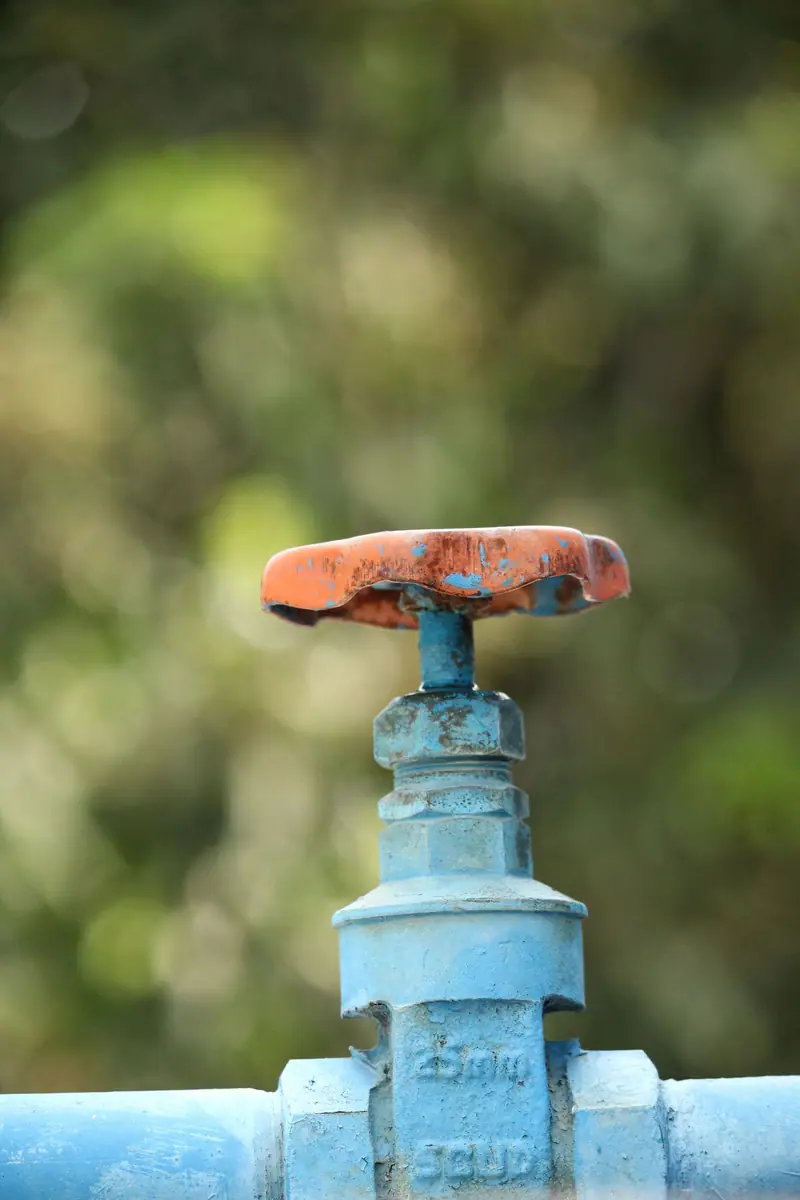
Two valves, two different jobs
Most homes have two points where the water can be stopped. The main shut-off sits at or inside the house, usually where the line comes in near the front wall, a garage, a utility closet or beside the water heater. The curb stop is farther out, typically in a small box with a lid set in the ground near the street or the property edge.
The inside valve is yours to use. The curb stop is a different matter, because it sits at the boundary between your pipe and the provider's system and is not meant for everyday handling.
Many Gardena houses have a third option, a valve at the meter. Where that valve sits and who controls it varies, so the technician identifies each one on site.
Why valves seize, weep or fail
A valve that is never turned gradually locks up. Mineral deposits build on the moving parts, and hard water, which is common across the region, speeds that along. Older gate valves, with a wheel-style handle, are the usual casualties. Their internal stem can corrode, and a handle that spins loosely without stopping the flow means the inside has let go.
Leaks show up at the stem, where a damp ring or a green crust of corrosion forms around the packing. That slow weep is worth attention. It points to a valve near the end of its working life, and it can let go completely at a bad moment.
In practice it is age, mineral build-up and long stretches of sitting untouched that wear these valves out. A valve can look fine from the outside and still fail the first time anyone really needs it, which is why the condition of the internals matters more than how it looks.
Reading the warning signs
A few clues suggest a valve is on its way out, and noticing them early lets you plan a visit instead of reacting to a flood.
- The handle is stiff, gritty or turns only with a wrench.
- There is a damp ring, crust or drip around the stem.
- The handle turns but the water barely slows.
- Pressure drops when the valve is touched, which can mean the inside is partly broken.
- The curb stop lid is buried, cracked or tilted.
Main shut-off valve replacement inside the house
This is a routine job for a plumber. The technician needs a way to stop the water ahead of the old valve, which is why a working curb stop or meter valve matters, then cuts out the old one, fits a new full-opening valve and tests it under pressure.
Today's choice is usually a quarter-turn ball valve. A quarter-turn ball valve closes with a short turn of the handle and tends to resist sticking better than the old wheel type. Whether one suits your pipe and layout is for the technician to confirm.
If the old valve will not close at all, the water has to be stopped farther back, which brings the curb stop or the provider into the picture. The technician explains that route before any work starts. Because the pipe is already open, this is also a convenient moment to look over the nearby line, as covered in our page on main water line repair.
Curb stop trouble and the provider
The curb stop usually belongs to the water provider's side of the connection, though check with your water provider for how your address is arranged. They often control access to it, and operating one generally calls for a specific key or tool. For that reason, work on a curb stop is typically coordinated with them rather than done by a homeowner or a contractor on their own.
What you can do is tell the technician if the lid is buried, cracked or missing, and describe any water seeping near it. The pro helps you work out whom to contact and what to say. A curb stop that cannot be closed can make a line replacement harder, so it is worth sorting out early. The main water line replacement page shows where this fits in a larger job.
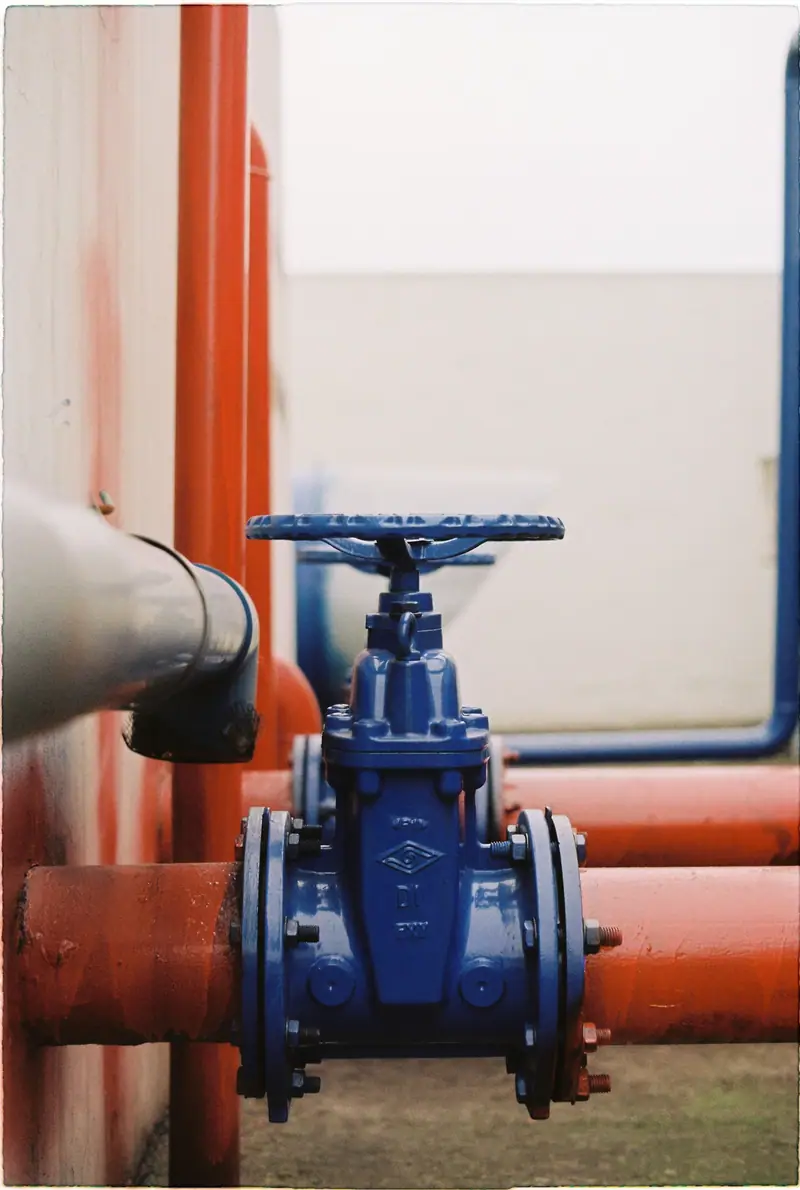
If you rent out part of the property or share the house, tell the other occupants where each valve is and which one to touch. Only the inside valve is meant for everyday use; leave the street-side box alone.
Why a working shut-off matters before an emergency
When a pipe lets go, every minute of running water means more damage to flooring, cabinets and drywall. A valve that closes fully lets you stop the flow, then wait for help without panic. A valve that seizes turns a repair into a flood.
Anyone in the household should be able to find it. Show family members, tenants and house sitters where it is, and keep the area clear of boxes and stored items. A shut-off hidden behind shelving is as good as no shut-off.
It is sensible to operate the valve gently now and then to confirm it still moves. If it resists, stop and call a pro instead of forcing it, since a stubborn handle can snap and leave you worse off.
One more practical point: a new shut-off is only as useful as its position. The technician may suggest a spot that is easy to reach and clear of clutter, and will explain the trade-offs before anything is cut. Think about whether a child, a house sitter or a neighbor could find it in a hurry.
What this looks like around Gardena
Houses in the post-war tracts near Mas Fukai Park, in the Mas Fukai Park Area, often have shut-offs that have not moved since the day they were installed. Plumbing near Rowley Park, in the Rowley Park Area, tends to be of similar age, with old gate valves still in service.
In manufactured-home communities, the water lines and shut-offs are usually the park owner's responsibility, so contact the owner or park management first. Do not assume the valve you can see is yours.