Start with where the pipe comes into the house
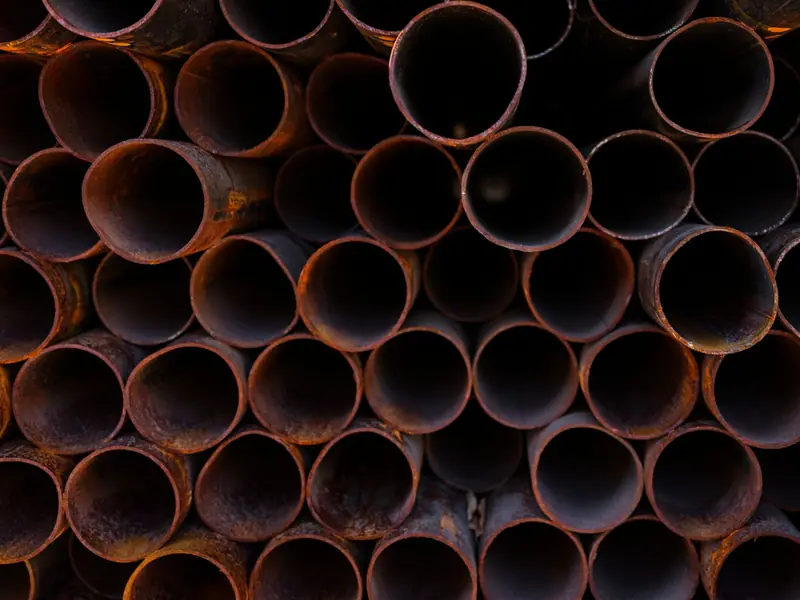
The easiest clue sits near the main shut-off, where the line from the street comes through the wall or slab. Gray, threaded steel with a rough, dull surface is usually galvanized. Orange-brown or copper-colored tubing is often copper, and plastic is usually obvious by its smooth, uniform look.
Looking is only a first guess. Paint, corrosion and tape can hide the real surface, and the pipe often changes material as it runs underground. The technician we dispatch can identify what you have and tell you what shows along the stretch that can be reached without digging. Ask for the material to be named out loud and written on the quote, so you have it on record whatever you decide to do next.
What galvanized steel does after decades in the ground
Galvanized pipe is steel with a zinc coating. Once that coating wears away, rust forms inside the pipe and builds up in layers, so the opening gets smaller year after year. Less opening means less flow, and the first sign is usually weak pressure at every tap rather than at one.
Those same rust layers explain the brown or orange tint some households see. The water sits in the pipe overnight, picks up loose scale, and the first draw of the day carries it out. When the color clears after a minute or so, that is a pattern worth mentioning on the phone.
Threaded joints are the other weak point. They corrode from the inside and the outside, so an older line can start weeping at a fitting well before the pipe wall gives way. If pressure has been dropping and you have also noticed a damp patch, our page on low pressure from the main line walks through how those two signs fit together.
Lead-era lines: what we can and cannot say
Some older service lines in the country were made of lead, and homes from the earlier building eras are where they turn up. That is the extent of what a plumbing referral site should say. A pro can look at the pipe, test its surface in the usual way and tell you which material you have.
If your question is about the water itself, take it to your water provider. They are the right people for water-quality questions, and we will not guess at them here.
Ask your provider what they keep on file
In many places, providers maintain inventories of what their customers' service lines are made of, and some run replacement programs. Whether yours does, and what it covers, is for them to say. A short call to your water provider can save you a lot of guessing, and it is worth making before you commit to any work.
Ask three things: what they have recorded for your address, which part of the line they consider theirs, and whether any program applies to your home. Write the answers down before you book anything, because they decide which stretch is yours to deal with.
What old water service line replacement involves on the private side
Replacement on the homeowner's side usually runs from the meter, curb stop or property line to the house. The technician traces the route, decides whether an open trench or a trenchless method suits the lot, and explains the plan and the price before any work begins. Our overview of curb stops and shut-off valves explains why the valve at the start of that stretch matters.
New pipe is joined to what remains at each end, the line is pressure tested, and the ground is put back. If the old shut-off valve is seized or weeping, it is common to change it in the same visit, since the water is already off.
Expect a straight conversation about the route. Mature trees, driveways and patios between the meter and the house influence whether digging a trench or using a trenchless approach is more sensible, and the technician tells you honestly when one is not a good fit. Landscaping and paving that has to come up is discussed up front, not discovered halfway through.
Ask who handles the connection at the provider's end, because that stretch may need coordination with them. The technician can explain how that usually works, so you are not left chasing two parties.
Old water service lines across the five parts of Gardena
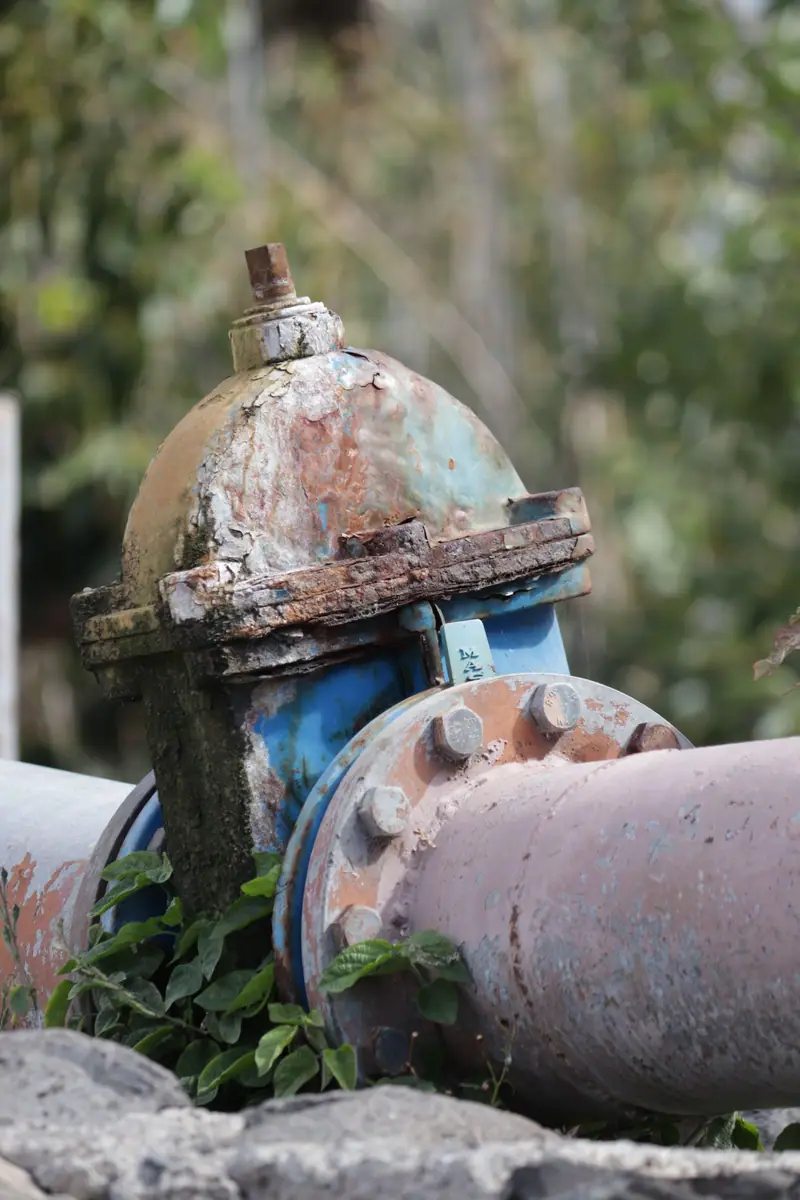
Around Redondo Beach Boulevard and the civic center, the small-lot houses in Central Gardena were mostly built in the early and middle decades of the last century, and galvanized and early copper lines are what we hear about most. The pipe usually runs a short, straight route from the front meter to the house, which keeps access simple.
Toward Artesia Boulevard, South Gardena mixes older homes with townhomes, so the same street can have a worn original line next to a newer one. Post-war houses near the parks in the northwest and west-central areas tend to have lines that were laid at about the same time and are now aging together.
Manufactured-home communities are a different case. The lines inside these parks are usually the park owner's responsibility, so contact the owner or park management first before calling a plumber.
Across all of these, the wear comes from the pipe's age, corrosion and ground movement over the decades. Hard water is common across the region and tends to leave scale inside older pipe, which speeds up the narrowing that galvanized steel is already prone to.
Reading the clues in your own house
A few ordinary observations tell the technician a great deal before a tool comes out. Jot them down so the conversation is quick.
- Whether the color change happens first thing, after the house has been away, or all day long.
- Whether pressure has faded gradually over the seasons or dropped in a single week.
- Whether the pipe at the shut-off looks rusty, crusted or recently replaced in sections.
- Whether any previous owner or plumber mentioned work on the line.
- Whether the yard has a patch that stays damp when the weather has been dry.
None of this replaces an on-site look, but it points the technician toward the likely cause and helps the price conversation stay specific.