What "trenchless" actually means for a water line
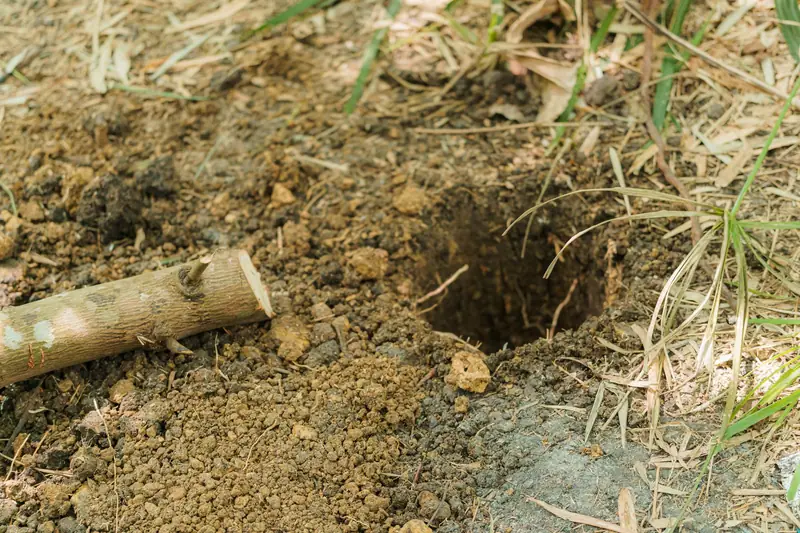
Trenchless is a way of putting a new pipe in the ground without opening the whole route from the street to your house. The crew digs a small hole at each end, and the new line is pulled or pushed through the soil in between. The lawn, the driveway and the planting bed in the middle are left mostly alone.
It is not magic, and it is not a single technique. Some jobs reuse the path of the old pipe, some cut a fresh path underground. Which one applies depends on what is down there, and nobody knows that for certain until a technician has looked at the lot.
The word also gets used loosely in advertising. If a company tells you every line can be done without digging, treat that as a red flag. Honest trenchless work still involves some digging. It just involves a lot less of it.
Pipe bursting and directional boring, side by side
The two methods you will hear about most are pipe bursting and directional boring. They solve the same problem in different ways.
Pipe bursting follows the old line. A tool is pulled through the existing pipe, breaks it apart outward into the surrounding soil, and drags the new pipe in right behind it. The new line ends up in the same corridor as the old one. That is handy when the old route is straight and nothing odd is buried beside it.
Directional boring drills a new path. A small steerable head is guided underground from one pit to the other, the hole is opened up to size, and the new pipe is pulled back through. Because it does not depend on the old pipe, it can be a better answer when the old route is crooked, crushed or collapsed.
A third option sometimes comes up: lining or relining an existing pipe. It is not a common fit for water service lines, so ask the technician whether it even applies to yours.
Lots where trenchless earns its place
The method makes the most sense when the surface above the pipe is expensive or painful to rebuild. A poured driveway that crosses the line. A walkway with decorative pavers. A mature tree whose roots you would rather not sever. A slope where open digging means shoring and a lot of spoil to haul away.
It also helps on tight lots where there is simply nowhere to pile the dirt. If the side yard is narrow and the gate is narrower, a pair of compact pits can be a relief compared with a long open cut and a mini excavator.
None of this means it is automatically the better choice. It means the trade-off is worth discussing before anyone starts digging.
When trenchless is the wrong tool
Some situations rule it out or make open digging the sensible call. The honest list is longer than most sales pitches admit.
- The old line has sections that are already collapsed or badly offset, so a tool cannot pass through it.
- Other utilities run close to the path, and there is not enough room to work around them safely.
- The soil is full of rubble, old foundations, large stones or buried debris that could stop or deflect the tool.
- The line has several sharp bends or branches that a single pull cannot follow.
- The access points would land somewhere a crew cannot reach with equipment.
When any of these show up, the technician will tell you so. A short open trench, or a hybrid with one trench and a trenchless stretch, may be the practical answer.
Access pits: where they go and how they are placed
Every trenchless job needs at least a start point and an end point. Usually one pit goes near the meter or the property line, and the other near the spot where the line enters the house. Longer or more complicated runs may need an extra pit partway along.
Where they land is decided by what is on the surface and underneath it. The crew will look for a spot that avoids tree roots, irrigation lines and slabs, and that leaves enough working room. Sometimes a pit can be cut through a planter or a strip of lawn instead of concrete, which makes the cleanup much simpler.
Pit size depends on the pipe, the method and the equipment. Ask the technician to show you on the ground where each one is planned before the work begins, so nothing surprises you in the morning.
Trenchless water line replacement on Gardena lots
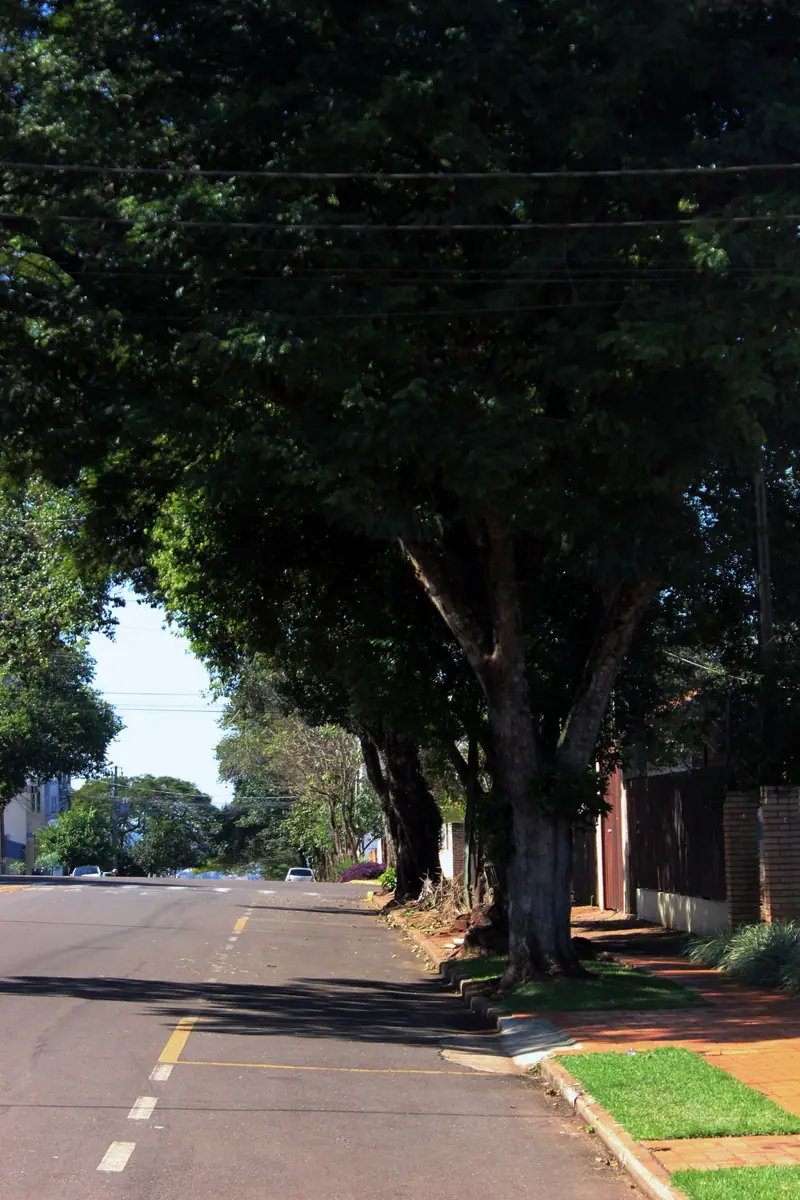
Gardena is not one kind of neighborhood, and the right method varies with the block. Around Mas Fukai Park and the older streets off Brighton Avenue, many homes are post-war houses on modest lots where the line crosses a front lawn, a driveway apron and sometimes a mature shade tree. Those are exactly the layouts where people ask about trenchless first.
Near Rowley Park and the Van Ness Avenue side, the picture is similar: mid-century houses, established landscaping, and service lines that have been in the ground a long time. If you live there, the page for the Rowley Park area describes what usually goes wrong on those streets.
In older central Gardena, small-lot tracts can leave very little space between a fence and a foundation, which affects where pits can go. And the hard, mineral-heavy water common across the region means old galvanized lines are often clogged and failing from the inside, which is why replacement keeps coming up. If your line is that kind of pipe, read about replacing an old service line first.
Manufactured-home communities are a different case. The water lines inside these parks are usually the park owner's responsibility, so contact the owner or park management before you call anyone about digging.
Before you decide, confirm the leak is really on the line
People sometimes jump to replacement when the problem is smaller. A leak that can be located precisely may be fixable at a single point with one pit, and that is a very different job from replacing the whole run. Leak detection is the step that tells you which situation you are in.
The same goes for line material and condition. A technician can often tell what the pipe is made of and how it has aged, and that shapes whether bursting, boring or a plain trench is realistic.
How a call goes
You describe what you are seeing and what is on the surface above the line: lawn, concrete, a tree, a slope. We connect you with an experienced local water service line pro, and the technician we dispatch looks at the lot, the access, and the likely route.
Then comes the part that matters most. Before any work begins, the technician explains the options that suit your property, including open digging if that is the realistic one, and gives upfront pricing with no hidden fees. You decide. If the plan includes pits in the yard, you will know where.
A person answers at any hour, and same-day or emergency dispatch is arranged where a technician can reach you.