
Signs of a water line leak in Gardena usually start in the yard
The pipe between the street and your front wall is out of sight, so the first hints tend to show up on the surface. Lots here are often compact, which puts the buried line close to the driveway, the walkway and the foundation. A loss in that tight space can announce itself sooner than it would on a big property.
Watch for these outdoor clues, especially on days when nobody has run the sprinklers:
- One stripe of grass that grows lusher or squishier than the lawn around it.
- Soil that feels boggy underfoot, or a puddle that returns after it dries.
- A small dip, hairline crack or lifted edge in a walkway, driveway apron or planter border.
- A dark, damp band along the stucco or the base of the front wall.
- Mud or standing water around the meter box or the curb.
Water under pressure travels. It follows loose soil and the outside of the pipe, so the wet spot can sit well away from the actual break. Treat each of these signs of a water line leak as a clue to the neighborhood of the leak, not an address.
What the water meter can tell you
The meter is the most honest witness you have. It counts everything that passes through, including water you never see leaving. This is the one check that is safe for you to do yourself.
- Stop all water use: taps, appliances, ice maker, irrigation timer.
- Lift the meter lid and photograph the dial and the numbers.
- Wait 30 minutes without using any water.
- Photograph the same view again and compare.
Movement means water is leaving somewhere downstream of the meter. A still dial suggests the line is holding for now. Keep both photos either way, because they give the technician a head start on the phone.
That is the whole do-it-yourself list. Please do not dig to find the pipe or pry at the meter box.
Pressure and sound: clues you can hear and feel
Some signs of a water line leak are not visible at all. A leak that is big enough to waste real water often changes how the house behaves. Pay attention to tap pressure in several rooms, not only one. If the shower, the kitchen faucet and the hose bib all feel weaker at the same time, the cause may sit upstream of the house. Our page on low pressure from the main line walks through that situation in more detail.
Sound is the other clue. On a quiet night, stand near the front wall or the meter and listen. A steady hiss, a faint rush or a hum that never changes can mean water is escaping under pressure. Some homes also get a knocking or shuddering in the walls when a tap shuts, which can have several causes and is worth mentioning on the call.
Sprinkler lines, hose connections and indoor fixtures can all mimic a service line leak. A pro separates line leaks from indoor ones, so you do not need to diagnose the difference before you call.
Why older Gardena homes show these clues more often
Age explains a lot. Many older houses still have the original steel line, and over the decades the inside of that pipe narrows while the wall thins from corrosion. Pinholes and tired joints follow. In this mild climate, the usual causes are age, corrosion, shifting ground and roots, not cold weather.
Streets near Rowley Park, covered on the Rowley Park Area page, include many houses of the kind that have decades behind the pipe. In South Gardena, lines of different ages can sit on the same block, so a neighbor's good news does not settle your question.
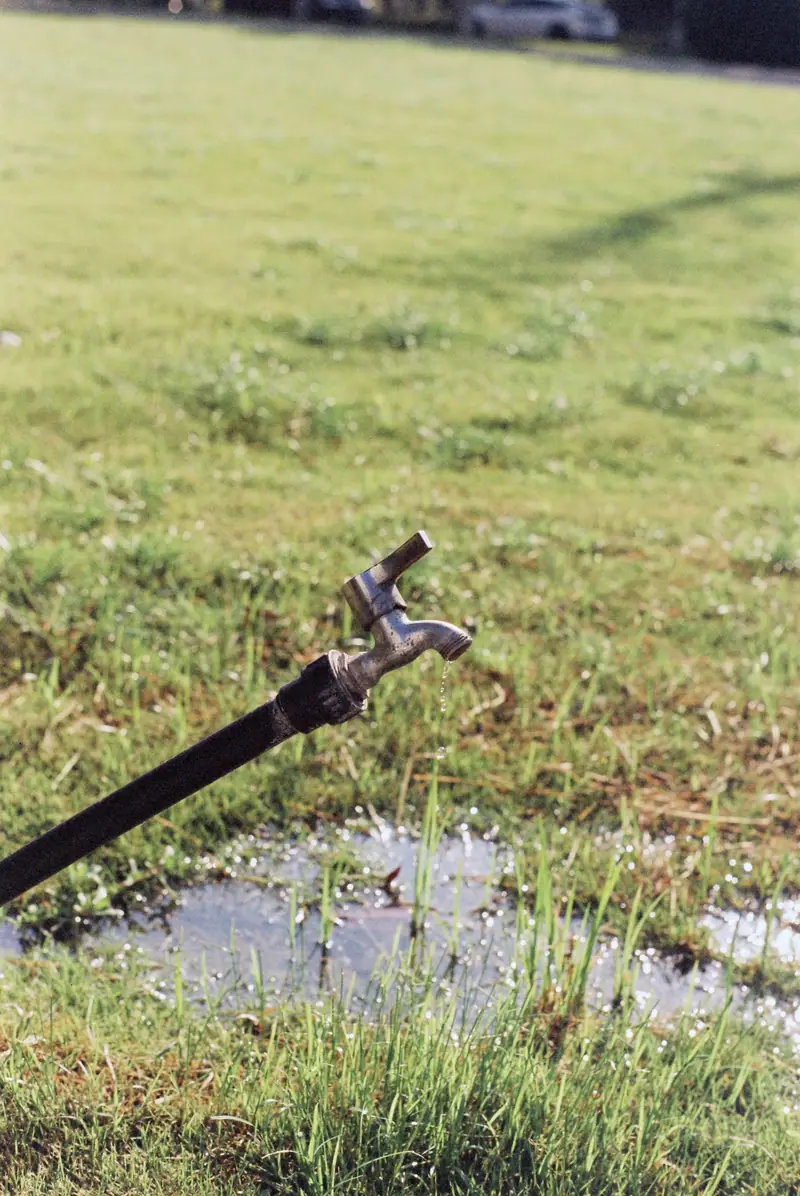
Who handles a leak depends on where it is. The split between the provider's side and the homeowner's side usually falls near the meter or the property line, but check with your water provider, because the arrangement is not the same everywhere.
What to tell the dispatcher
A clear description saves a lot of back and forth. When you call, have these details ready:
- Where you noticed the sign: front yard, side yard, driveway, near the meter or inside.
- Whether the meter moved during your idle test, and what the photos show.
- Whether the pressure drop is at every tap or only some.
- Any sound you heard and roughly when.
- Whether the home is older and what you know about the pipe material.
- Whether you rent, own, or live in a townhome or a community with shared lines.
We connect you with experienced local water service line pros. Calls are answered around the clock, and same-day and emergency dispatch is available where possible. The technician explains the options and upfront pricing before any work begins.
From signs of a water line leak to a confirmed leak
If the meter test and the clues line up, the next step is locating the leak, which is covered in the guide to water line leak detection. After the spot is known, the choice is usually between a targeted fix and something bigger. Read about main water line repair, and use the guide on repair versus replacement to see how that decision gets made.